When people begin learning a language, they all want the same thing — to speak immediately. No long grammar explanations, no heavy textbooks, no silent exercises. Just real phrases they can use today. And honestly? That’s the smartest way to learn European Portuguese.
In this article
Portuguese from Portugal is full of soft consonants, swallowed vowels, and charming expressions that don’t always match what’s written. If you jump straight into speaking, you’ll train your ear, your mouth, and your confidence at the same time.
Below is a curated list of 99 essential European Portuguese phrases with translations, pronunciation guidance, and brief cultural notes about when you should say them… and when you definitely shouldn’t.
Let’s start talking.
Greetings & Introductions (1–15)
1. Olá! — Hello!
IPA: /ɔˈla/
Pronunciation: oh-LAH
Comment: Universal, friendly. Works everywhere.
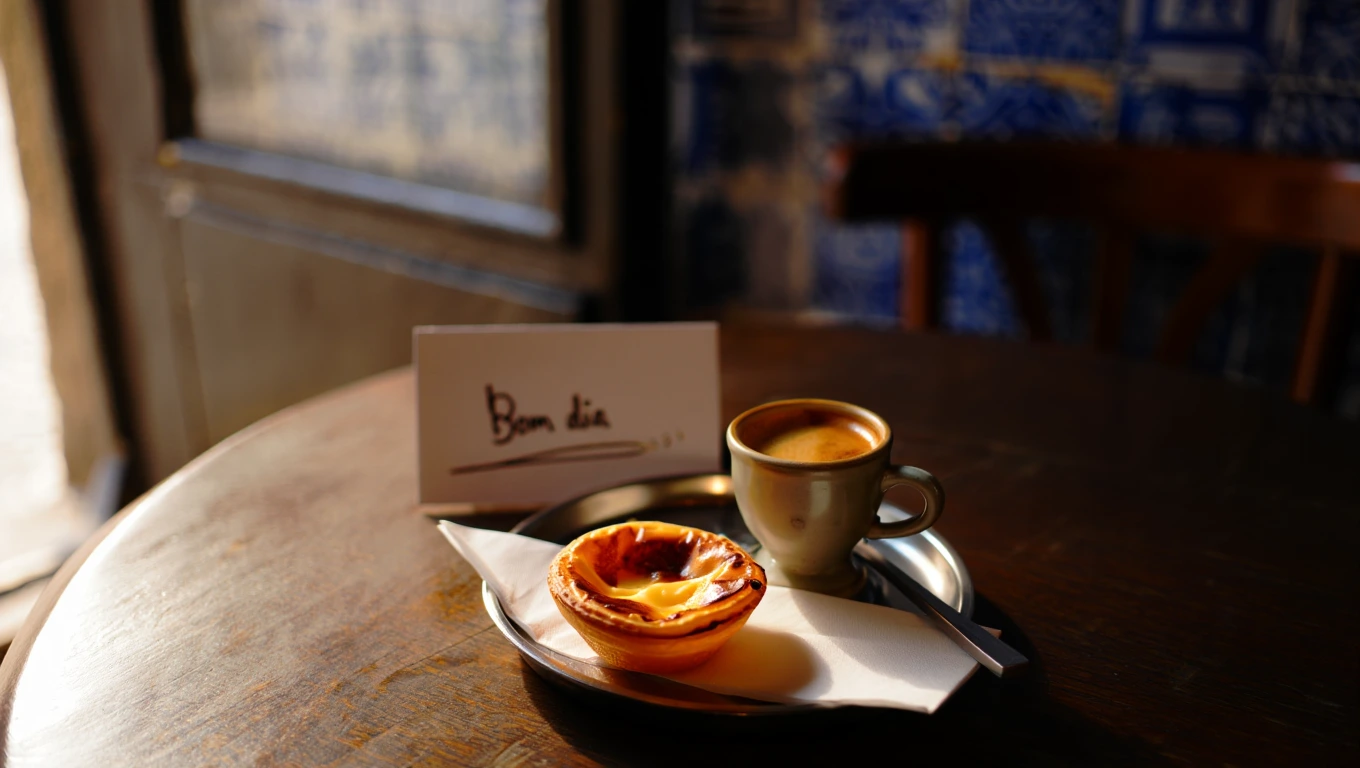
2. Bom dia. — Good morning.
IPA: /bõ ˈdiɐ/
Pronunciation: bohng DEE-ah
Comment: Used from early morning until lunchtime.
3. Boa tarde. — Good afternoon.
IPA: /ˈboɐ ˈtard(ə)/
Pronunciation: BO-ah TAR-de
Comment: From about 12:00 to sunset.
4. Boa noite. — Good evening / good night.
IPA: /ˈboɐ ˈnojt(ə)/
Pronunciation: BO-ah NOYT
Comment: Greeting in the evening, farewell at night.
5. Como está? — How are you? (formal)
IPA: /ˈkomu (i)ʃˈta/
Pronunciation: KOH-moo esh-TAH
Comment: Safe with strangers, service workers, older people.
6. Tudo bem? — All good? (informal)
IPA: /ˈtudu ˈbɐ̃j̃/
Pronunciation: TOO-doo BENG
Comment: Friendly, casual. Don’t use with your boss.
7. Chamo-me… — My name is…
IPA: /ˈʃɐ.mu mɨ/
Pronunciation: SHAH-moo meh
Comment: Very European. More natural than “Eu sou…”.
8. Como se chama? — What is your name? (formal)
IPA: /ˈkomu sɨ ˈʃɐ.mɐ/
Pronunciation: KOH-moo si SHAH-ma
Comment: Correct for polite conversation.
9. De onde é? — Where are you from? (formal)
IPA: /dɨ ˈõd(ɨ) ɛ/
Pronunciation: dɨ ON-deh
Comment: Polite. Avoid with very young people.
10. Sou dos Estados Unidos. — I’m from the United States.
IPA: /so(w) duʃ ɨʃˈta.duʃ uˈni.duʃ/
Pronunciation: SO doosh esh-TAH-doosh oo-NEE-doosh
Comment: Replace with your country.
11. Muito prazer. — Nice to meet you.
IPA: /ˈmũj.tu pɾɐˈzeɾ/
Pronunciation: MOYN-too prah-ZER
Comment: Formal but warm.
12. Igualmente. — Likewise.
IPA: /iɣwawˈmẽtɨ/
Pronunciation: ee-gwal-MEN-te
Comment: Perfect response to “Prazer”.
13. Bem-vindo / Bem-vinda. — Welcome.
IPA: /bẽj̃ˈvĩ.du/
Pronunciation: beng-VEEN-doo
Comment: Gender changes by the person you’re welcoming.
14. Até já. — See you soon.
IPA: /ɐˈtɛ ʒa/
Pronunciation: ah-TEH ZHAH
Comment: Means “in a little while”, not “tomorrow”.
15. Até amanhã. — See you tomorrow.
IPA: /ɐˈtɛ ɐ.mɐˈɲɐ̃j̃/
Pronunciation: ah-TEH ah-ma-NYANG
Comment: Very common.
Politeness & Everyday Courtesy (16–30)
16. Por favor. — Please.
IPA: /puɾ fɐˈvoɾ/
Pronunciation: poor fah-VOR
Comment: Polite but not overused like in English.
17. Obrigado / Obrigada. — Thank you.
IPA: /oβɾiˈɣa.du/
Pronunciation: oh-bree-GAH-doo / GAH-dah
Comment: Depends on your gender.
18. De nada. — You’re welcome.
IPA: /dɨ ˈna.dɐ/
Pronunciation: dɨ NAH-dah
Comment: Neutral and common.
19. Com licença. — Excuse me.
IPA: /kõ liˈsẽsɐ/
Pronunciation: kohng lee-SEN-sah
Comment: Use when passing someone.
20. Desculpe. — Sorry / Excuse me.
IPA: /dəʃkuɫˈpə/
Pronunciation: dish-KOOL-peh
Comment: For small mistakes. Don’t overuse.
21. Pode ajudar-me? — Can you help me?
IPA: /ˈpɔ.də ɐ.ʒuˈdaɾ mə/
Pronunciation: POH-deh ah-zhoo-DAR-meh
Comment: Formal and safe.
22. Obrigado pela ajuda. — Thanks for your help.
IPA: /oβɾiˈɣa.du ˈpe.lɐ ɐˈʒu.dɐ/
Pronunciation: oh-bree-GAH-doo PEH-lah ah-ZHOO-dah
Comment: Very polite.
23. Não faz mal. — It’s okay / Never mind.
IPA: /nɐ̃w̃ faʃ ˈmaɫ/
Pronunciation: now fash MAHL
Comment: Use to calm someone who apologizes.
24. Sem problema. — No problem.
IPA: /sẽj̃ pɾuˈβɫe.mɐ/
Pronunciation: sang proo-BLEH-mah
Comment: Less formal.
25. Claro. — Of course.
IPA: /ˈkla.ɾu/
Pronunciation: KLA-roo
Comment: Sounds confident, not rude.
26. Com certeza. — Certainly.
IPA: /kõ səɾˈte.zɐ/
Pronunciation: kohng ser-TEH-zah
Comment: Slightly more formal.
27. Desculpe o atraso. — Sorry for the delay.
IPA: /dəʃkuɫˈpə u ɐˈtɾa.zu/
Pronunciation: dish-KOOL-poo oo ah-TRAH-zoo
Comment: Polite in appointments.
28. Muito obrigado por tudo. — Thanks for everything.
IPA: /ˈmũj.tu oβɾiˈɣa.du poɾ ˈtu.du/
Pronunciation: MOYN-too oh-bree-GAH-doo por TOO-doo
Comment: Warm expression of gratitude.
29. É muito gentil. — That’s very kind.
IPA: /ɛ ˈmũj.tu ʒẽˈtiɫ/
Pronunciation: eh MOYN-too zhen-TEEL
Comment: Use to compliment politeness, not appearance.
30. Com todo o respeito… — With all due respect…
IPA: /kõ ˈto.du u ʁɨʃˈpɛj.tu/
Pronunciation: kohng TO-doo oo resh-PEY-too
Comment: Softens disagreement.
Getting Around & Directions (31–45)
31. Onde fica…? — Where is…?
IPA: /ˈõd(ə) ˈfi.kɐ/
Pronunciation: ON-deh FEE-kah
Comment: Very common. Use to ask for any location.
32. Como chego a…? — How do I get to…?
IPA: /ˈko.mu ˈʃe.gu ɐ/
Pronunciation: KOH-moo SHEH-goo ah
Comment: Useful for directions. Sounds polite.
33. Pode mostrar no mapa? — Can you show it on the map?
IPA: /ˈpɔ.də muʃˈtɾaɾ nu ˈma.pɐ/
Pronunciation: POH-deh moosh-TRAR noo MAH-pah
Comment: Great when you don’t understand the verbal explanation.
34. É perto? — Is it close?
IPA: /ɛ ˈpɛɾ.tu/
Pronunciation: eh PEHR-too
Comment: Often answered with gestures.
35. É longe? — Is it far?
IPA: /ɛ ˈlõʒ(ə)/
Pronunciation: eh LON-zh
Comment: Expect “mais ou menos”.
36. Vire à direita. — Turn right.
IPA: /ˈvi.ɾə a dɨˈɾej.tɐ/
Pronunciation: VEE-ree ah dee-RAY-tah
Comment: Drivers will sometimes shorten it.
37. Vire à esquerda. — Turn left.
IPA: /ˈvi.ɾə a (ɨ)ʃˈkeɾ.dɐ/
Pronunciation: VEE-ree ah esh-KER-dah
Comment: Often accompanied by pointing.
38. Siga em frente. — Go straight ahead.
IPA: /ˈsi.ɣɐ ẽj̃ ˈfɾẽj̃.tə/
Pronunciation: SEE-gah eng FREN-te
Comment: Very commonly used when giving directions.
39. Onde é a paragem? — Where is the bus stop?
IPA: /ˈõd(ə) ɛ ɐ pɐˈɾa.ʒɐ̃j̃/
Pronunciation: ON-deh eh ah pah-RAH-zhen
Comment: “Paragem” is European-only.
40. Quero ir para o centro. — I want to go to the city centre.
IPA: /ˈkɛ.ɾu iɾ ˈpa.ɾɐ u ˈsẽ.tɾu/
Pronunciation: KEH-roo eer PAH-rah oo SEN-troo
Comment: Useful in taxis or buses.
41. Preciso de um táxi. — I need a taxi.
IPA: /pɾɨˈsi.zu dɨ ũ ˈta.ksi/
Pronunciation: prih-SEE-zoo d(uh) oong TAK-see
Comment: Straightforward and polite.
42. Quanto custa até lá? — How much does it cost to go there?
IPA: /ˈkwɐ̃.tu ˈkuʃ.tɐ ɐˈtɛ lɐ/
Pronunciation: KWAN-too KOOSH-tah ah-TEH lah
Comment: Use before entering the taxi if possible.
43. Isto fica longe a pé? — Is it far on foot?
IPA: /ˈiʃ.tu ˈfi.kɐ ˈlõʒ(ɨ) ɐ ˈpɛ/
Pronunciation: EESH-too FEE-kah LON-zh ah PEH
Comment: Locals love to say “dez minutinhos” (ten tiny minutes).
44. É por aqui? — Is it this way?
IPA: /ɛ puɾ ɐˈki/
Pronunciation: eh poor ah-KEE
Comment: Good when you’re unsure but close.
45. Pode repetir, por favor? — Can you repeat, please?
IPA: /ˈpɔ.dɨ ʁɨ.pɨˈtiɾ puɾ fɐˈvoɾ/
Pronunciation: POH-deh reh-peh-TEER por fah-VOR
Comment: Essential in fast-spoken Portugal.
Transportation & Travel (46–60)
46. A que horas sai o comboio? — What time does the train leave?
IPA: /ɐ kɨ ˈɔ.ɾɐʃ ˈsaj u kõˈboj.u/
Pronunciation: ah kih OH-ras SIGH oo kom-BOY-oo
Comment: “Comboio” is the European word (not “trem”).
47. Onde compro bilhetes? — Where do I buy tickets?
IPA: /ˈõd(ɨ) ˈkõ.pɾu biˈʎe.tɨʃ/
Pronunciation: ON-deh KON-proo bee-LYEH-tesh
Comment: “Bilhete” sounds like “bee-LYET.”
48. Quero um bilhete simples. — I want a single ticket.
IPA: /ˈkɛ.ɾu ũ biˈʎe.tɨ ˈsĩ.plɨʃ/
Pronunciation: KEH-roo oong bee-LYET-eh SEEM-pleesh
Comment: For one-way travel.
49. Quero um bilhete de ida e volta. — I want a round-trip ticket.
IPA: /ˈkɛ.ɾu ũ … ˈi.dɐ i ˈvɔɫ.tɐ/
Pronunciation: KEH-roo oong … EE-dah ee VOL-tah
Comment: Often cheaper.
50. Onde é a estação? — Where is the station?
IPA: /ˈõd(ɨ) ɛ ɐ ɨʃtɐˈsɐ̃w̃/
Pronunciation: ON-deh eh ah esh-tah-SOWN
Comment: Use for trains or metro.
51. Este lugar está ocupado? — Is this seat taken?
IPA: /ˈeʃ.t(ɨ) luˈɣaɾ ʃtɐ okuˈpa.du/
Pronunciation: ESH-t(uh) loo-GAR esh-tah oh-koo-PAH-doo
Comment: Common on trains.
52. A próxima paragem é…? — Is the next stop…?
IPA: /ɐ ˈpɾɔ.si.mɐ pɐˈɾa.ʒɐ̃j̃ ɛ/
Pronunciation: ah PRO-see-mah pah-RAH-zhen eh
Comment: Good when unsure of stops.
53. Este autocarro vai para…? — Does this bus go to…?
IPA: /ˈeʃ.tɨ aw.toˈka.ʁu vaj ˈpa.ɾɐ/
Pronunciation: ESH-tee ow-to-KA-roo vie PAH-rah
Comment: “Autocarro” is European.
54. Quanto tempo demora? — How long does it take?
IPA: /ˈkwɐ̃.tu ˈtẽ.pu dɨˈmɔ.ɾɐ/
Pronunciation: KWAN-too TEM-poo deh-MOH-rah
Comment: Useful for planning.
55. Pode chamar um táxi? — Can you call a taxi?
IPA: /ˈpɔ.dɨ ʃɐˈmaɾ ũ ˈta.ksi/
Pronunciation: POH-deh shah-MAR oong TAK-see
Comment: Use at hotels.
56. Tenho uma reserva. — I have a reservation.
IPA: /ˈtẽ.ɲu ˈu.mɐ ʁɨˈzɛɾ.vɐ/
Pronunciation: TEN-nyoo OO-mah rih-ZER-vah
Comment: Hotels, restaurants.
57. Há quartos disponíveis? — Are there rooms available?
IPA: /a ˈkwaɾ.tuʃ diʃpuˈnivejʃ/
Pronunciation: ah KWAR-toosh deesh-poo-NEE-vaysh
Comment: Hotels and hostels.
58. Preciso de uma mesa para dois. — I need a table for two.
IPA: /pɾɨˈsi.zu dɨ ˈu.mɐ ˈme.zɐ ˈpa.ɾɐ dojʃ/
Pronunciation: prih-SEE-zoo OO-mah MEH-zah PAH-rah DOYSH
Comment: Restaurants; “dois” sounds like “doysh.”
59. Aceitam cartão? — Do you accept card?
IPA: /ɐˈsɐj.tɐ̃w̃ kɐɾˈtɐ̃w̃/
Pronunciation: ah-SAY-tow car-TOW
Comment: Very important in rural areas.
60. Tenho de pagar aqui? — Do I pay here?
IPA: /ˈtẽ.ɲu dɨ pɐˈɣaɾ ɐˈki/
Pronunciation: TEN-nyoo deh pah-GAR ah-KEE
Comment: Many cafés require paying at the counter.
Shopping & Money (61–75)
61. Quanto custa? — How much is it?
IPA: /ˈkwɐ̃.tu ˈkuʃ.tɐ/
Pronunciation: KWAN-too KOOSH-tah
Comment: Universal.
62. É muito caro. — It’s very expensive.
IPA: /ɛ ˈmũj.tu ˈka.ɾu/
Pronunciation: eh MOYN-too KAH-roo
Comment: Polite complaint.
63. Tem mais barato? — Do you have something cheaper?
IPA: /tẽj̃ majʃ bɐˈɾa.tu/
Pronunciation: TAYN mysh bah-RAH-too
Comment: Works in markets.
64. Só estou a ver. — I’m just looking.
IPA: /sɔ (ɨ)ʃˈto(w) ɐ ˈveɾ/
Pronunciation: soh esh-TOH ah VER
Comment: Prevents salesperson pressure.
65. Pode fazer desconto? — Can you give a discount?
IPA: /ˈpɔ.dɨ fɐˈzeɾ dɨʃˈkõ.tu/
Pronunciation: POH-deh fah-ZER deesh-KON-too
Comment: Better in markets than shops.
66. Aceita dinheiro? — Do you accept cash?
IPA: /ɐˈsɐj.tɐ diˈɲej.ɾu/
Pronunciation: ah-SAY-tah deen-YAY-roo
Comment: Useful since some places are card-only.
67. Onde é a caixa? — Where is the checkout?
IPA: /ˈõd(ɨ) ɛ ɐ ˈkaj.ʃɐ/
Pronunciation: ON-deh eh ah KAI-shah
Comment: “Caixa” also means “bank teller.”
68. Pode embrulhar? — Can you wrap it?
IPA: /ˈpɔ.dɨ ẽbɾuˈʎaɾ/
Pronunciation: POH-deh em-broo-LYAR
Comment: Gift wrapping.
69. É para oferta. — It’s a gift.
IPA: /ɛ ˈpa.ɾɐ uˈfɛɾ.tɐ/
Pronunciation: eh PAH-rah oh-FER-tah
Comment: They may wrap it nicely.
70. Tem o tamanho M? — Do you have size M?
IPA: /tẽj̃ u tɐˈmɐ.ɲu ɛm/
Pronunciation: TAYN oo tah-MAN-nyoo EM
Comment: Clothes shopping.
71. Onde estão os provadores? — Where are the fitting rooms?
IPA: /ˈõd(ɨ) ɨʃˈtɐ̃w̃ uʃ pɾuvɐˈdoɾɨʃ/
Pronunciation: ON-deh esh-TOWN oosh proo-va-DOR-eesh
Comment: Department stores.
72. Fica-me bem. — It fits me well.
IPA: /ˈsɛɾ.vɨ mɨ bẽj̃/
Pronunciation: SER-vee meh BENG
Comment: Natural phrase.
73. Não serve. — It doesn’t fit.
IPA: /nɐ̃w̃ ˈsɛɾ.vɨ/
Pronunciation: now SER-vee
Comment: Useful and simple.
74. Vou levar. — I’ll take it.
IPA: /ˈvo(w) lɨˈvaɾ/
Pronunciation: VOW luh-VAR
Comment: Means buying.
75. Posso pagar com multibanco? — Can I pay by debit card?
IPA: /ˈpɔ.su pɐˈɣaɾ kõ muɫ.tiˈbɐ̃.ku/
Pronunciation: POH-soo pah-GAR kom mool-tee-BAN-koo
Comment: “Multibanco” = Portuguese debit network.
Food & Restaurants (76–90)
76. Uma água, por favor. — A water, please.
IPA: /ˈu.mɐ ˈa.ɡwɐ/
Pronunciation: OO-mah AH-gwah
Comment: Ask for “sem gás” (no gas) or “com gás”.
77. Uma bica, por favor. — An espresso, please.
IPA: /ˈu.mɐ ˈbi.kɐ/
Pronunciation: OO-mah BEE-kah
Comment: “Bica” is Lisbon slang for espresso.
78. Quero o menu, por favor. — I would like the menu, please.
IPA: /ˈkɛ.ɾu u mɨˈnu/
Pronunciation: KEH-roo oo meh-NOO
Comment: Most places offer English menus.
79. O que recomenda? — What do you recommend?
IPA: /u kɨ ʁɨkuˈmẽ.dɐ/
Pronunciation: oo kih reh-koo-MEN-dah
Comment: Portuguese people love to suggest dishes.
80. Quero isto. — I want this.
IPA: /ˈkɛ.ɾu ˈiʃ.tu/
Pronunciation: KEH-roo EESH-too
Comment: Good when pointing at a menu.
81. O prato do dia, por favor. — The dish of the day, please.
IPA: /u ˈpɾa.tu du ˈdi.ɐ/
Pronunciation: oo PRAH-too doo DEE-ah
Comment: Usually affordable and fresh.
82. Estou a aprender português. — I’m learning Portuguese.
IPA: /ɨʃˈto(w) ɐ ɐ.pɾẽˈdeɾ puɾ.tuˈɣeʃ/
Pronunciation: esh-TOH ah ah-pren-DER por-too-GESH
Comment: Locals love hearing this.
83. Sou alérgico a… — I’m allergic to…
IPA: /so(w) ɐˈlɛɾ.ʒi.ku a/
Pronunciation: SOO ah-LER-zhee-koo ah
Comment: Important for safety.
84. Não como carne. — I don’t eat meat.
IPA: /nɐ̃w̃ ˈko.mu ˈkaɾ.nɨ/
Pronunciation: nao KOH-moo KAR-neh
Comment: Useful for vegetarians.
85. A conta, por favor. — The bill, please.
IPA: /ɐ ˈkõ.tɐ/
Pronunciation: ah KON-tah
Comment: Always asked at the table.
86. Está muito bom! — It’s very good!
IPA: /ɨʃˈta ˈmũj.tu bõ/
Pronunciation: esh-TAH MOYN-too bohng
Comment: Great compliment to the chef.
87. Posso provar? — Can I taste it?
IPA: /ˈpɔ.su pɾuˈvaɾ/
Pronunciation: POH-soo proo-VAR
Comment: Markets often allow tasting.
88. É picante? — Is it spicy?
IPA: /ɛ piˈkɐ̃.tɨ/
Pronunciation: eh pee-KAN-teh
Comment: Portuguese food is rarely spicy.
89. Estou cheio / cheia. — I’m full.
IPA: /ɨʃˈto(w) ˈʃɐj.u/
Pronunciation: esh-TOH SHAY-oo
Comment: Gendered: male cheio, female cheia.
90. Foi ótimo, obrigado. — It was great, thank you.
IPA: /foj ˈɔ.ti.mu/
Pronunciation: foy OH-tee-moo
Comment: Very polite and well-received.
Emergencies, Health & Essentials (91–99)
91. Ajude-me, por favor! — Help me, please!
IPA: /ɐˈʒu.dɨ mɨ/
Pronunciation: ah-ZHOO-deh meh
Comment: Emergency phrase.
92. Chame a polícia! — Call the police!
IPA: /ˈʃɐ.mɨ ɐ puˈli.sjɐ/
Pronunciation: SHAH-meh ah poo-LEE-syah
Comment: Use only in serious situations.
93. Preciso de um médico. — I need a doctor.
IPA: /pɾɨˈsi.zu dɨ ũ ˈmɛ.di.ku/
Pronunciation: prih-SEE-zoo deh oong MEH-dee-koo
Comment: In hospitals or pharmacies.
94. Estou doente. — I’m sick.
IPA: /ɨʃˈto(w) duˈẽ.tɨ/
Pronunciation: esh-TOH doo-EN-teh
Comment: General use.
95. Sinto-me mal. — I feel bad / unwell.
IPA: /ˈsĩ.tu mɨ ˈmaɫ/
Pronunciation: SEEN-too meh MAHL
Comment: More physical than emotional.
96. Há uma farmácia perto? — Is there a pharmacy nearby?
IPA: /a ˈu.mɐ faɾˈma.sjɐ ˈpɛɾ.tu/
Pronunciation: AH oo-mah far-MAH-syah PEHR-too
Comment: Pharmacies are everywhere.
97. Perdi-me. — I’m lost.
IPA: /pɨɾˈdi mɨ/
Pronunciation: per-DEE meh
Comment: Natural and not dramatic.
98. Assaltaram-me. — I was robbed.
IPA: /ʁowˈba.ɾɐ̃w̃ mɨ/
Pronunciation: roh-BAH-rown meh
Comment: For emergencies — go to police.
99. Preciso de falar com alguém. — I need to speak with someone.
IPA: /pɾɨˈsi.zu dɨ fɐˈlaɾ kõ ɐɫˈgẽj̃/
Pronunciation: prih-SEE-zoo deh fah-LAR kong al-GENG
Comment: Useful in hospitals, police stations, or any trouble.
Learning a new language always feels overwhelming at the beginning — until you break it into small, repeatable steps. These 99 European Portuguese phrases are more than vocabulary; they’re building blocks for real communication, confidence, and cultural understanding.
Here’s how to actually master them — not just read them once and forget them tomorrow.
Learn in small, meaningful chunks (not all 99 at once)
Group them by topic — greetings, travel, food, emergencies — and focus on 5–7 phrases a day. This mirrors how native speakers learn and prevents burnout.
Mini-goal example: “Today I’m mastering greetings only.” Small wins build big momentum.
Speak out loud — always
European Portuguese has unique rhythms, swallowed sounds, and soft consonants that your brain must hear and your mouth must feel.
Don’t just read silently. Say everything out loud like a mantra. Even better: Record yourself and compare. Your pronunciation will improve faster than you expect.
Use “shadowing” with native audio
Shadowing = listening to a native speaker and repeating simultaneously.
It’s the fastest method for:
- accent
- rhythm
- speed
- confidence
Use phrases in real situations immediately
Even simple contexts help cement memory:
- greet your barista in Portuguese
- say “Bom dia” to your family at home
- pretend you’re ordering at a Lisbon café
- narrate your actions: “Preciso disto”, “Quanto custa?”, “Onde é a saída?”
Your brain remembers what it uses, not what it reads.
Use phrases in real situations immediately
Even simple contexts help cement memory:
- greet your barista in Portuguese
- say “Bom dia” to your family at home
- pretend you’re ordering at a Lisbon café
- narrate your actions: “Preciso disto”, “Quanto custa?”, “Onde é a saída?”
Your brain remembers what it uses, not what it reads.
Build a “micro-dialogue” for each group
Phrases stick better in the brain when linked together.
Example for greetings:
- Olá!
- Como está?
- Chamo-me…
- Muito prazer.
This turns isolated vocabulary into usable conversation.
Don’t aim for perfection — aim for communication
Portuguese people are warm, patient, and genuinely happy when foreigners try to speak their language. You don’t need flawless grammar to be understood.
Your mission is not to speak perfectly, your mission is to speak. Perfection comes later.
Review strategically — spaced repetition works
Use any spaced-repetition method (Anki, Quizlet, paper flashcards) to review phrases at intervals:
- Day 1
- Day 3
- Day 7
- Day 14
- Day 30
Spacing forces your brain to move information from short-term to long-term memory.
Attach emotion or experience to each phrase
Memory thrives on emotion.
Say “Bom dia” while remembering a sunny Lisbon morning.
Say “Pode ajudar-me?” thinking of a moment you needed directions.
Use “Muito obrigado” remembering someone helping you.
Emotion = Memory glue.
Practice with real people when possible
Nothing accelerates learning more than real conversation:
- language exchange partners
- Portuguese friends
- online tutors
- tourists in your city
- waiters when you travel
Every real-world moment strengthens the phrases 10x more than studying them alone.
Celebrate progress — fluency is built phrase by phrase
Mastering these 99 expressions gives you:
- the ability to greet politely
- survive in restaurants
- ask for help
- understand simple answers
- navigate transportation
- express needs
- avoid common mistakes
- sound more European Portuguese than 90% of beginners
This is a strong foundation — more than enough to start speaking from day one.
Portuguese is a beautiful, melodic language shaped by centuries of culture, music, and maritime history. By learning these phrases actively and boldly, you take your first steps into that world with confidence.
Remember: You don’t learn to speak by studying. You learn to speak by speaking.